

Eurozone Inflation Cools to 1.9% in May, Paving Way for ECB Interest Rate Cut
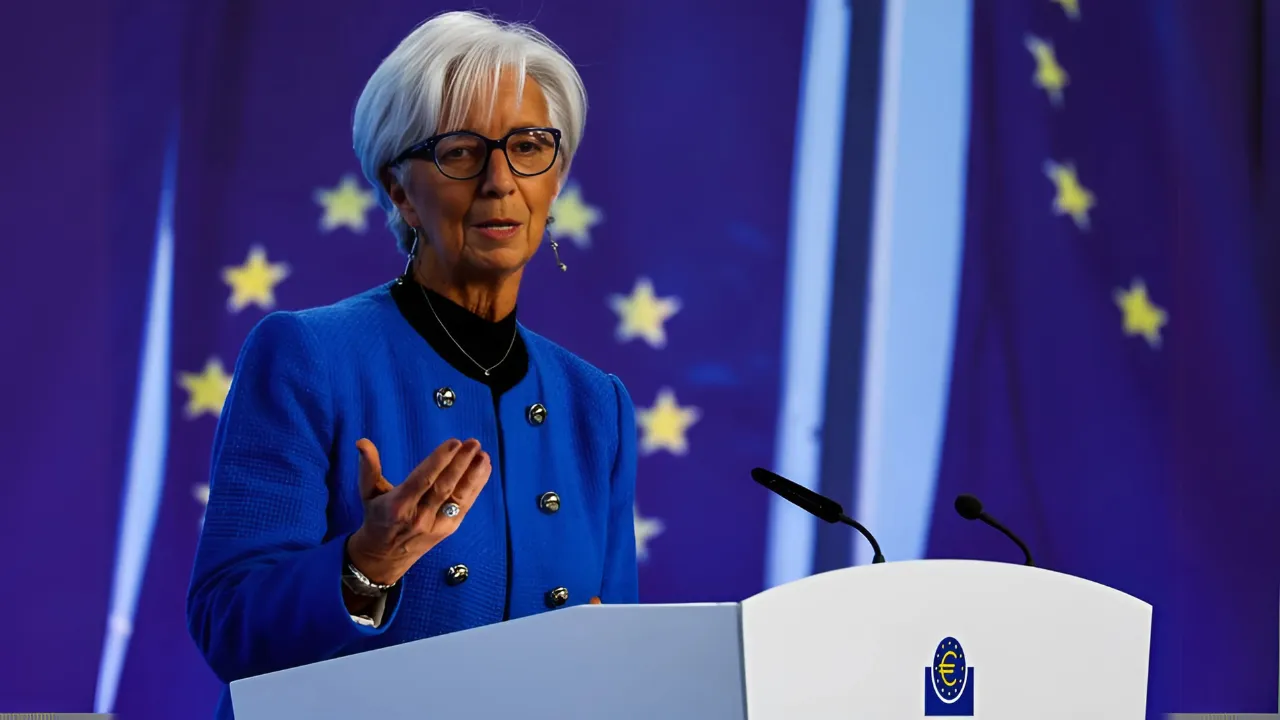
The Eurozone's inflation rate has cooled to 1.9% year-on-year in May, according to the latest flash estimates, aligning with forecasts and reinforcing expectations of an interest rate cut by the European Central Bank (ECB) at its upcoming meeting. This marks a slight decline from previous months and falls just below the ECB’s target rate of 2%, signaling a continued easing of price pressures across the bloc.
Key Takeaways from May’s Inflation Data
- Headline Inflation Dips to 1.9% – Down from April’s 2.2%, meeting market expectations.
- Core Inflation Eases to 2.3% – Stripping out volatile components like energy and food, core inflation softened from 2.7% in April.
- Energy Prices Drive Decline – Lower energy costs contributed significantly to the slowdown.
- Services Inflation Moderates – Dropped from 4% in April to 3.2% in May.
- Food, Alcohol, and Tobacco Prices Rise – Increased by 3.3% compared to 3% the previous month.
What Does This Mean for ECB Policy?
The latest inflation figures strengthen the case for the ECB to implement another interest rate cut at its June meeting. The central bank has already reduced rates three times this year, with markets now pricing in an 80% probability of a 25-basis-point cut in June and at least one more reduction before the end of 2025.
If the ECB proceeds, the deposit rate could fall to 1.75% or lower, providing further relief to borrowers and businesses across the Eurozone.
Why Core Inflation Matters
Core inflation, which excludes volatile items like energy and food, is a critical indicator for the ECB. The drop to 2.3% suggests that underlying price pressures are easing, giving policymakers more confidence to lower borrowing costs without risking a resurgence in inflation.
Factors Influencing Eurozone Inflation
1. Declining Energy Prices
Energy costs have been a major driver of disinflation, with global oil and gas markets stabilizing after previous supply shocks.
2. Moderating Services Inflation
Services inflation, a key concern for the ECB, slowed from 4% to 3.2%, indicating that wage pressures and consumer demand may be cooling.
3. Impact of Trade Policies
Despite US President Donald Trump’s trade tariffs, Eurozone inflation has remained contained, though external risks persist.
Market Reactions & Economic Outlook
- Euro Weakens Slightly – The EUR/USD pair dipped as traders priced in potential rate cuts.
- Bond Yields Edge Lower – Expectations of looser monetary policy pushed yields down.
- Equity Markets Mixed – European stocks showed limited reaction, with investors awaiting the ECB’s next move.
What’s Next for the Eurozone Economy?
With inflation nearing the ECB’s target, the focus now shifts to economic growth and employment trends. While lower interest rates could stimulate spending, policymakers will remain cautious about cutting too aggressively if wage growth remains strong.
Conclusion
The Eurozone’s inflation slowdown to 1.9% in May reinforces the likelihood of an ECB rate cut in June. With core inflation also easing, the central bank has room to further loosen monetary policy, supporting economic recovery while keeping price stability in check. Investors and businesses should monitor upcoming ECB meetings for signals on future rate adjustments.
For more updates on inflation trends and central bank policies, stay tuned to financial news outlets and market analysis reports.